Have you ever considered buying a property in your favourite vacation destination? There are so many good reasons to buy a vacation home. But, buying a vacation home is a bit like deciding to get married: After enjoying the destination as a casual visitor, it’s time to make a long-term commitment and settle down.
If you’re exploring the opportunities that a vacation or investment property creates, we want to share our best answers to the most commonly asked questions and help you make the most informed decision possible.

First Things First
Before you step into the purchase mindset, something that we like to look at in revenue to price ratio – this will help you calculate the all-important return-on-investment (ROI).
Here’s a very simple explanation of how that works: say a property had $50,000 revenue and a price point of $500,000 then the revenue to price ratio equals 10%. This is the first step in deciding if the financials make sense for you.
In addition to that metric, we encourage potential investors to consider their propensity to want to frequent the property for personal use. The feeling of pride is a big part of owning a vacation rental property – being able to show it off to your friends and family – therefore be sure you look in areas that you are interested in frequenting yourself, too.

Does Location Really Matter?
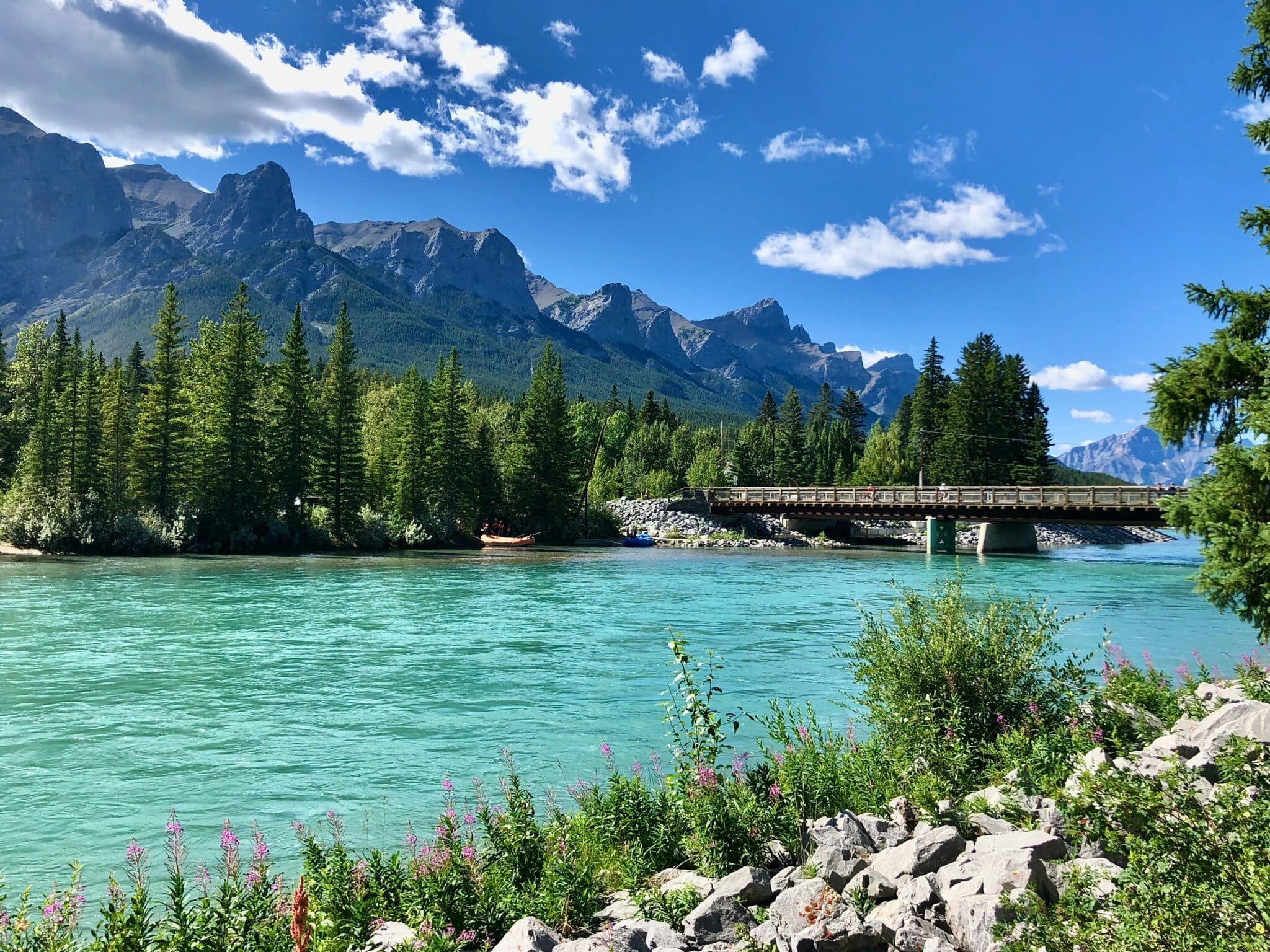
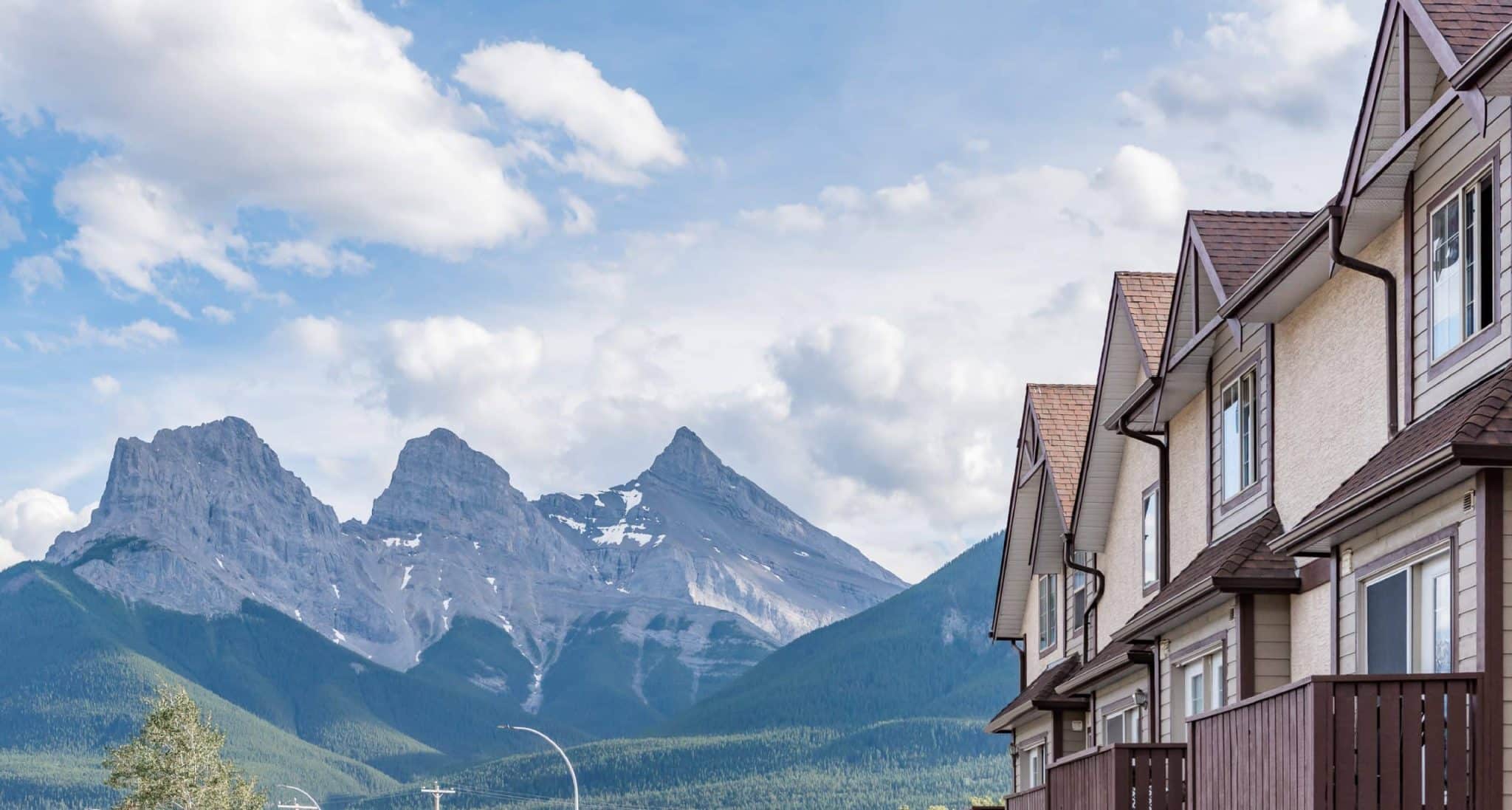
As you know, people buy vacation properties to use as a second home, or to bring in rental income that offsets some of the costs of ownership. Some investors specialize in vacation rentals and build real estate portfolios consisting exclusively of action rental properties. When buying a vacation investment property, it’s important to choose a location that is appealing to renters – near the mountains, on a lakefront, or in a tourist destination, for example.
Location, amenities, and attractions are important when it comes to buying vacation rental property. Choose a vacation property in an area that you like, but also consider how guests will access and enjoy the rental property, too.
How are Mountain Communities Unique in This process?
When deciding where to buy a vacation home, pay attention to the seasons. If you are renting it out, understand when the “high season” months are, and when you can expect less demand. It’s ideal to purchase a place that can perform well year-round so that your risks are spread out a bit more. A bad summer could be saved by a good winter ski season with the right property.
There are a few other unique factors that can play a role in your decision to purchase. Here are the biggest ones to consider:
- Short-term vacation rental properties, most often, offer a higher ROI.
- Long-term rental properties tend to have a lower ROI.
- It can be more difficult to find a variety of service providers and contractors – smaller pools to choose from.
- Zoning can be a bit more complicated. Check out our recent blog to learn more.
- Financing – for many vacation homes it can be more difficult to get – investors tend to need more money upfront. It can be done, just ensure you have to have strong financials.
When is The Best Time to Buy?
In our experience, the best time to buy is right before summer. Although we all know mountain towns have a large draw for snow sports enthusiasts throughout the winter, summer is by far the much busier season (June – September = 60-70% of your annual revenue). With this in mind, getting your property ready for these months will help provide a much better return.
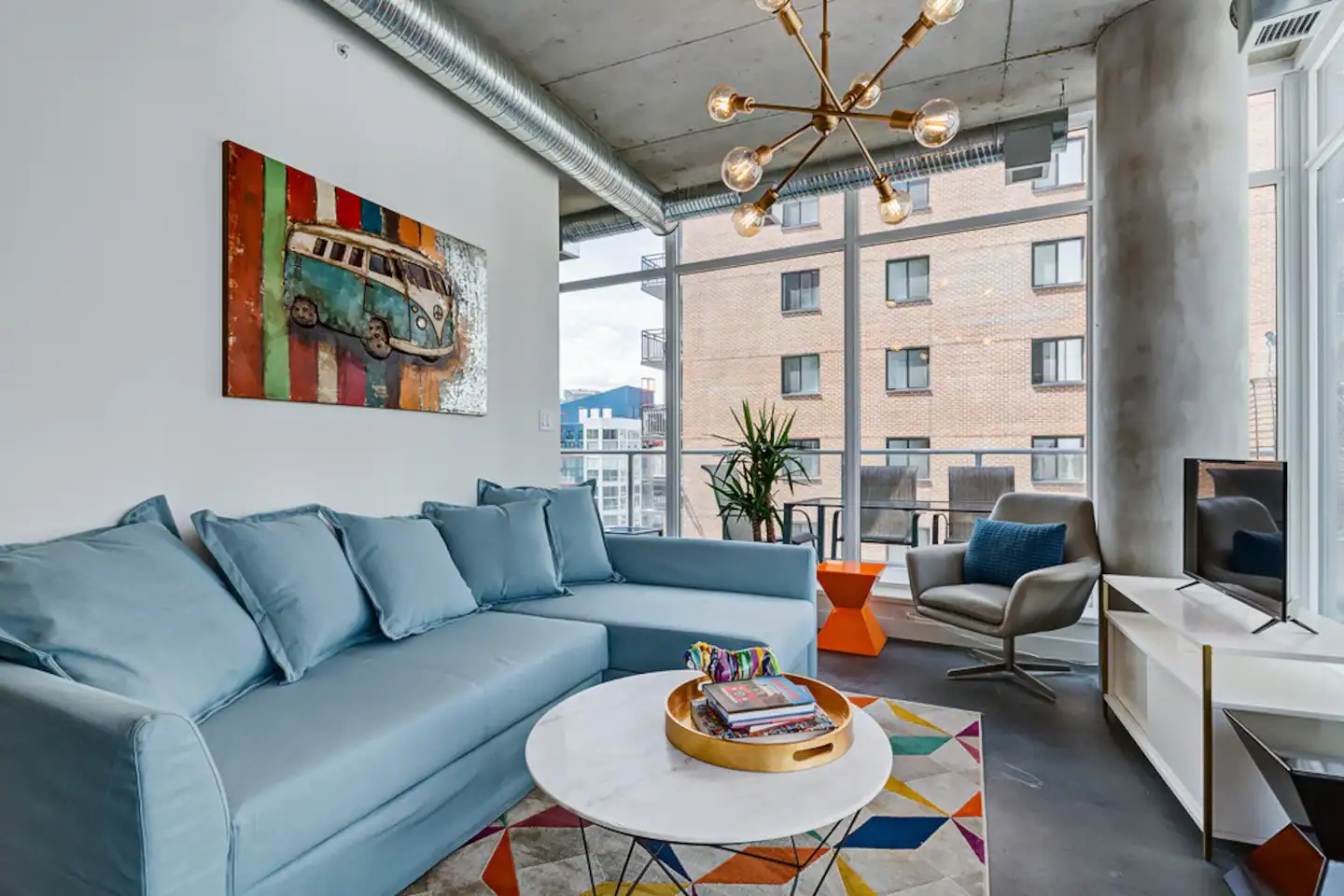
S&T Pro Tip: Invest in making the property feel different and luxurious. This kind of design support works really well in short-term rental properties. Think: mural or accent walls – something that helps it stand out – the guests love it, tell others, and often return in the future, themselves.

How Much Can I Really Make?
The truth is, this answer varies depending on the property that you purchase.
A good rule of thumb is that typically the capitalization rate on short-term vacation properties can be similar to a long-term rental. In recent years we have seen a 1-2% premium on the cap rate difference. If a long-term property is at 5%, a short-term vacation property has been around 7%. Of course, some are lower and some are higher but overall this translates to a 40% higher capitalization rate of return for the short term, than on a long-term rental.
What’s The Deal With Rental Pools?
A rental pool is created by a group of owners who decide to pool (combine) rental income from all their units and share the expenditures of all units. The owners will also share any profit or loss from the rental pool. Rental pools typically offer a lower return. From this perspective, there tend to be more restrictions, and sometimes investors want to buy out. If you find yourself in this situation, it can be complicated to exit, but if you are looking to opt out – we can help.
We hope after reading this article you have been able to make your own list of things to consider when buying a vacation property. Perhaps the best question is then, is buying a vacation rental property a good investment for you? At the end of the day, owning a rental property, regardless of whether it’s short-term or long-term, can be a lot of work, but if you find a great property and the numbers make sense, it could be a great long-term investment.
Our team at S&T has the specialized knowledge to truly optimize your listing and maximize revenue through consistency and organization. This is our business and we would be thrilled to support you.
Whether you want to be very involved in the process or prefer the hands-off approach, we are flexible. We have accounting, project management, and interior design support members; we even have MBAs that can help with pricing. Above all else, S&T Property Management will get you the highest return for you and your property – guaranteed!
Reach out and let’s make it happen.